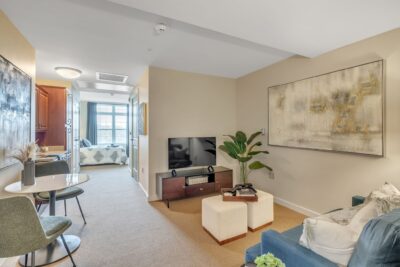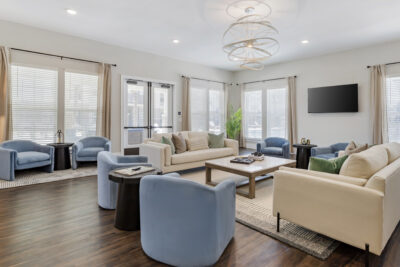
How professionally designed furnishing kits simplify model apartment projects, support lease-up, and help multifamily developers save time and money.
Preparing a new multifamily community for lease-up requires careful coordination. Construction schedules, marketing campaigns, leasing operations, and property readiness all need to come together, often under tight deadlines and within carefully managed budgets. Furnishing the model apartment is one part of that process, but it can have a meaningful impact on how a community is presented to prospective residents.
A well-designed model apartment helps people understand the floor plan, appreciate the available space, and picture what living in the community might look like. Rather than walking through empty rooms and trying to imagine where their furniture would fit, prospects can experience a thoughtfully arranged home that demonstrates how the apartment functions.
For developers and leasing leaders, however, creating that experience can be more complicated than it seems. Selecting furniture, coordinating vendors, managing deliveries, and arranging installation all take time and resources. When several developments are underway at once, furnishing model apartments can become another demanding project for already busy teams.
Multifamily model apartment furnishing kits offer a more efficient alternative. By combining professionally selected furniture and accessories into coordinated packages, furnishing kits simplify purchasing and help communities prepare their models for leasing without managing every detail individually.
Understanding how these kits work, what they include, and how they compare with traditional furnishing methods can help developers make better decisions about their next project.
What Are Multifamily Furnishing Kits?
Multifamily furnishing kits are coordinated collections of furniture and accessories selected to furnish specific apartment layouts. Most are organized around common floor plans, including studios, one-bedroom apartments, and two-bedroom apartments. Depending on the provider and package, a kit may include living room furniture, dining furniture, bedroom furnishings, lighting, rugs, artwork, and decorative accessories.
Unlike purchasing furniture from multiple retailers, a furnishing kit brings the design together before the order is placed. Furniture dimensions, colors, finishes, and accessories are selected to complement one another, creating a cohesive look throughout the apartment. This eliminates much of the guesswork involved in furnishing a model from scratch and helps prevent common problems, such as oversized furniture, mismatched finishes, or missing accessories.
For multifamily developers, the value goes beyond convenience. Standardized furnishing kits make it easier to establish budgets, obtain approvals, and plan delivery schedules. They also provide a repeatable approach that can be used across multiple properties while still allowing communities to maintain their individual identities.
Why Furnished Model Apartments Matter During Lease-Up
A model apartment is one of the most useful tools available to a multifamily leasing team because it allows prospective residents to experience the space rather than simply evaluate its dimensions. While floor plans and virtual tours provide important information, walking through a furnished apartment offers a different perspective on how the home might accommodate everyday living.
An empty 650-square-foot apartment, for example, may feel smaller than it actually is because there is nothing to establish scale or demonstrate how the rooms function. Prospects may leave wondering whether their sofa will fit, where they would place a dining table, or whether the bedroom can accommodate additional furniture. A professionally furnished model helps answer those questions during the tour by showing realistic furniture arrangements and making the available space easier to understand.
Thoughtful model apartment design also helps leasing representatives focus on the lifestyle a community offers. Instead of discussing only room measurements and finishes, they can demonstrate how the living area accommodates entertaining, how a bedroom provides space for relaxation, or how a dining nook can serve multiple purposes. These are practical considerations that help prospective residents evaluate whether an apartment meets their needs.
The benefits also extend to marketing. Professional photography of a furnished model can be used on property websites, apartment listings, social media, digital advertising, and printed materials. For new developments, these images can be especially valuable when completed apartments are not yet available for photography. A finished model gives prospective residents a more complete picture of the property before they ever schedule a visit.
How Furnishing Kits Help Simplify Lease-Up Preparation
In multifamily development, timing matters. Leasing teams often begin promoting a new property while construction and final preparations are still underway. Having a furnished model ready for tours and photography can support those early marketing efforts, but only if the furnishing process is planned appropriately.
Traditional model furnishing projects can involve numerous purchasing decisions and multiple suppliers. A sofa may come from one retailer, dining furniture from another, and artwork and accessories from several others. Each supplier may have different shipping schedules, delivery requirements, and procedures for handling damaged or missing items. Coordinating these details takes time and creates opportunities for delays.
Furnishing kits simplify this process by consolidating selections and purchasing through one provider. With the design already established, property teams can focus on choosing the right package, confirming the floor plan, and coordinating delivery. This reduces the number of individual decisions and vendors involved in getting the model ready.
For developers managing several openings or working with lean property teams, that efficiency can be particularly valuable. Instead of assigning internal resources to furniture sourcing and purchasing, those teams can concentrate on other priorities, including resident acquisition, property operations, and the overall leasing experience.
Furnishing kits do not automatically guarantee faster lease-up or higher occupancy. Market conditions, rental rates, location, competition, and property amenities all influence leasing performance. However, a more organized furnishing process can help prevent avoidable delays and ensure that the model apartment is ready to support leasing efforts when the community needs it.
Standardized Furnishing Kits vs. Custom Model Apartment Design
One of the first decisions developers face is whether to use a standardized furnishing package or invest in a fully customized design. Both approaches have advantages, and the right choice depends on the property, timeline, budget, and desired level of personalization.
Standardized furnishing kits are especially useful for developments with common apartment layouts and defined design budgets. Because the furniture and accessories have already been selected to work together, the process requires fewer approvals and less coordination. Developers can review complete furnishing options rather than evaluating every individual product, making it easier to move from planning to purchasing.
Custom model apartment design provides greater flexibility. It may be appropriate for luxury developments, unusual floor plans, or communities with specific architectural and branding requirements. A custom project allows designers to create a highly individualized space, although the additional design development, sourcing, and approvals can require more time and investment.
For many multifamily communities, the ideal solution falls somewhere between these approaches. A professionally curated furnishing kit can establish the overall design while carefully chosen artwork, accessories, and finishing touches help reflect the property’s personality. This allows developers to benefit from a more efficient purchasing process without sacrificing the appearance or character of the model.
Direct-Ship Kits vs. Turnkey Model Apartment Furnishing
Once the design approach has been established, the next consideration is how the furniture will be delivered and installed. Two common options are direct-ship furnishing kits and turnkey model apartment design services.
With a direct-ship kit, the furnishing provider supplies the coordinated furniture and accessories, which are shipped to the property for installation. The developer or property team is responsible for receiving the shipment, assembling furniture, placing items, and completing the final styling. This approach can work well when a community has maintenance staff, contractors, or other resources available to handle installation.
Direct-ship kits offer flexibility and can be especially practical for smaller projects, model refreshes, or communities looking for an efficient way to furnish an apartment without a fully managed installation service. However, it is important to account for the labor and coordination required once the furniture arrives. Receiving shipments, handling packaging, assembling furniture, and preparing the apartment for photography all need to be included in the project plan.
Turnkey model apartment design takes a more comprehensive approach. A turnkey provider coordinates the design, furniture sourcing, delivery, and professional installation, giving developers a single partner to manage much of the process. This can be particularly helpful for properties approaching a scheduled opening or for companies managing several developments simultaneously.
At Model55, we offer both options. Our curated Direct Ship solutions provide professionally coordinated furnishings with delivery typically available in two to three weeks, while our Signature Turnkey service includes delivery and professional installation, typically within four to six weeks.
The best choice depends on how much work the property team wants to manage, the available installation resources, and the project’s schedule.
Understanding the Total Cost of Furnishing a Model Apartment
When comparing furnishing options, it is important to look beyond the listed price of the furniture. The total cost of preparing a model apartment may include design services, shipping, receiving, assembly, installation, packaging removal, and project coordination.
Purchasing inexpensive furniture from several retailers may initially appear to be the lowest-cost option. However, separate delivery charges, installation labor, and the time required to manage multiple suppliers can change the overall economics of the project. Damaged items, unavailable products, or inconsistent delivery schedules can also create additional costs and complications.
Furnishing kits make budgeting easier by packaging coordinated selections together, but developers should still confirm exactly what is included in the price. Some packages may contain only major furniture pieces, while others include rugs, lighting, artwork, and accessories. Likewise, shipping and installation may be included, optional, or charged separately.
The most useful comparison is the total cost of getting the apartment ready for tours and photography, rather than simply the purchase price of the furniture.
For companies managing multiple developments, consistent furnishing packages can also improve long-term budget planning. Once a team understands the typical cost of furnishing a studio, one-bedroom, or two-bedroom model, it becomes easier to develop preliminary budgets for future projects and reduce uncertainty during planning.
How to Choose the Right Multifamily Furnishing Partner
Not all furnishing providers offer the same level of service or understand the operational requirements of a multifamily development. Choosing the right partner involves evaluating both design capabilities and the company’s ability to deliver a complete project.
Experience with multifamily properties is an important starting point. A provider familiar with model apartment design understands that the objective is not simply to decorate a room, but to create a functional space that helps prospective residents evaluate a floor plan. Furniture must be appropriately scaled, layouts should feel natural, and the finished apartment should reflect the property’s positioning.
Developers should also consider how the provider manages purchasing, delivery, and installation. Clear communication about product availability, delivery windows, and responsibilities can make a significant difference when schedules are tight. Understanding who handles damaged items, replacement products, and final installation details is equally important.
For companies with multiple properties, scalability should also be part of the vendor evaluation process. A furnishing partner that offers consistent design standards, repeatable ordering processes, and solutions for different apartment layouts can help simplify future developments.
Finally, compare proposals based on the complete scope of work. A lower-priced package may not provide the same furnishings, services, or level of coordination as a more comprehensive solution. Asking for a clear breakdown of products, services, delivery, and installation helps ensure that the comparison reflects the actual needs of the project.
Building Consistency Across Multiple Multifamily Communities
For regional and national developers, standardized furnishing kits offer another important advantage: consistency.
When every property sources furniture independently, design quality, costs, and project schedules can vary considerably. One community may work with a local designer, another may purchase furniture directly from retailers, and a third may use an installation company. While each approach can work individually, the lack of a consistent process makes it harder to manage budgets and expectations across an entire portfolio.
Standardized furnishing programs give developers a repeatable framework that can be adapted to different properties. Teams can establish preferred layouts, design styles, furnishing budgets, and ordering procedures while still making selections appropriate for each community.
This approach can be particularly effective for properties with similar apartment configurations or brand positioning. A company may establish a consistent standard for its one-bedroom models, for example, while using different color palettes or accessory collections to reflect each property’s location and character.
Over time, this creates a more manageable process for purchasing, approvals, and scheduling. Teams know what to expect, new projects require fewer decisions, and leasing departments benefit from professionally furnished spaces that meet established standards.
Planning Ahead for Model Apartment Lease-Readiness
The best time to begin planning a model apartment is well before the property is ready for furniture delivery. Developers should consider furnishing requirements alongside construction milestones, leasing plans, and marketing schedules so the model is available when it will provide the most value.
The process begins with selecting the apartment that will serve as the model. Ideally, this floor plan should represent an important part of the property’s inventory and provide an effective experience for prospective residents. Once the apartment is selected, the team can establish a furnishing budget and determine whether a direct-ship kit, turnkey solution, or custom design is most appropriate.
From there, the furnishing schedule should be coordinated with the property’s anticipated readiness. Flooring, painting, electrical work, and other necessary construction activities should be completed before furniture arrives. The team should also confirm delivery access, receiving arrangements, and any building restrictions that could affect installation.
Professional photography should be included in the schedule rather than treated as an afterthought. Once the model is complete, high-quality images can be incorporated into the property’s website, advertising, and leasing materials. Having those assets available early can help the marketing team present a more complete picture of the community.
By planning these steps in advance, developers can avoid last-minute purchasing decisions and give their leasing teams a finished space that is ready to support tours and marketing activities.
Measuring the Value of Your Model Apartment
A professionally furnished model is an investment in the leasing experience, and its performance should be considered as part of the property’s broader marketing and leasing strategy.
Leasing teams can begin by gathering feedback from prospects and residents about their experience touring the apartment. Questions about furniture placement, room size, and how the apartment might accommodate daily routines can offer useful insight into whether the model is addressing common concerns.
Properties can also monitor tour-to-application conversion rates, the time between tours and signed leases, and engagement with digital marketing that features the furnished model. These metrics should be evaluated alongside pricing, incentives, market demand, and other factors that influence leasing decisions.
For developers managing multiple communities, comparing results across similar properties may reveal opportunities to improve model layouts, photography, or presentation. The objective is not simply to measure the value of furniture, but to understand how the model supports a more effective leasing process.
Simplify Your Next Multifamily Furnishing Project with Model55
A well-designed model apartment should help prospective residents picture themselves at home while making the leasing process easier for your team. Getting that space ready, however, shouldn’t require weeks of furniture shopping, numerous vendors, or complicated delivery schedules.
Model55 helps multifamily developers and property teams create welcoming model apartments through professionally curated furnishing kits, flexible direct-ship options, and comprehensive turnkey design and installation services. Our solutions are designed to simplify the process from selection through delivery, whether you’re furnishing a single model or preparing multiple communities for lease-up.
With coordinated kits for studios, one-bedroom, and two-bedroom apartments, our online shop makes it easy to explore furnishing options and request a quote without obligation. For communities looking to update an existing model, our Mini Models and individual room solutions provide additional flexibility.
Ready to get your next model apartment lease-ready?
Explore our multifamily furnishing kits and discover a simpler way to create professionally furnished spaces that support your leasing goals.